Enjoy free worldwide shipping on all our handcrafted blades!
12C27 Steel: What It Is, How Good It Is & Why We Use It

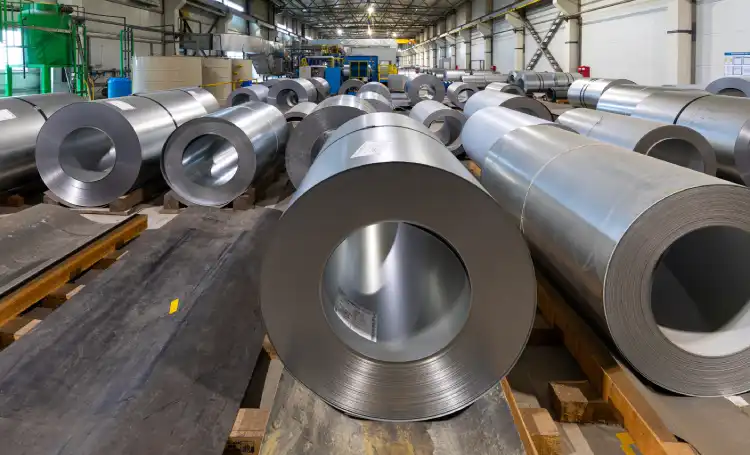
12C27 steel is a Swedish stainless steel made by Sandvik (now Alleima) that’s been a trusted choice for knife blades since the late 1970s. It’s not the flashiest steel on the market, and it doesn’t try to be.
What it offers instead is a rare, practical balance: a hardness range that holds an edge, a chromium content that resists rust, and a fine grain structure that makes it easy to sharpen with nothing more than a basic whetstone. That combination is exactly why every knife we forge at Gladius Forging uses it.
What Is 12C27 Steel?
12C27 is a martensitic stainless steel, meaning it’s hardened through heat treatment and quenching rather than through cold-working alone. It was developed by Sandvik in Sweden and is manufactured today under the Alleima name, using iron ore with unusually low sulfur and phosphorus content. That clean base material is part of why the steel performs consistently from batch to batch.
Its chemical makeup sits at roughly 0.6% carbon and 13.5% chromium, with small additions of silicon and manganese for strength and workability. That carbon-to-chromium ratio is the core of what makes 12C27 useful: enough carbon to harden well and hold an edge, and enough chromium to earn a genuine stainless classification and resist corrosion in everyday conditions.
Sandvik 12C27 Steel: Composition and Manufacturing
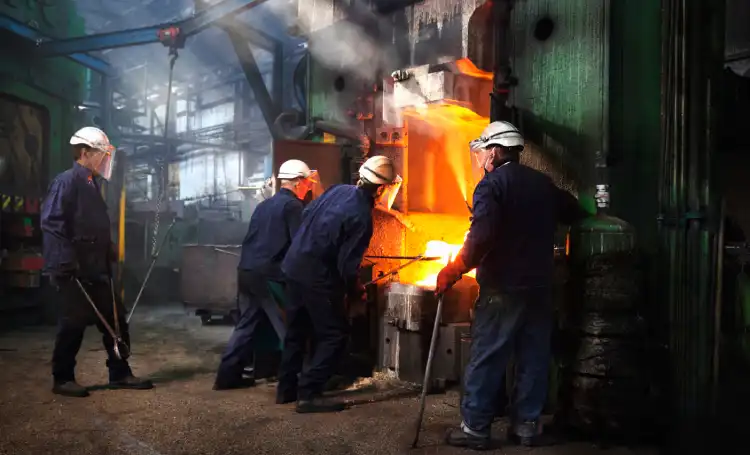
What separates Sandvik’s 12C27 from generic stainless blade stock is the size of its carbides — the hard particles within the steel that determine both edge sharpness and toughness. Sandvik’s manufacturing process keeps these carbides extremely fine, which allows the steel to take a genuinely sharp edge without becoming brittle. Coarser carbides in lower-grade steels tend to cause microchipping along the edge; 12C27’s finer structure largely avoids that problem.
This isn’t a recent development — Sandvik has refined 12C27’s production process for well over four decades, which is part of why it remains a reliable, well-understood steel for manufacturers rather than an experimental one.
How Good Is Sandvik 12C27 Steel? Hardness and Edge Retention
Properly heat-treated 12C27 typically reaches 56 to 59 HRC on the Rockwell hardness scale, with a maximum achievable hardness in the low 60s under controlled conditions. That places it comfortably in the range knife makers target for a blade that’s hard enough to hold an edge through regular use, but not so hard that it becomes prone to chipping under lateral stress.
Edge retention at this hardness is solid for general-purpose and outdoor use — noticeably better than soft, budget stainless blades, though it won’t out-cut modern powder-metallurgy super-steels designed purely to maximize wear resistance. For the kind of cutting, chopping, and field tasks a working knife actually sees, that trade-off works in the user’s favor rather than against it.
Is 12C27 Steel Good for Knives? Toughness and Sharpening
Yes — and toughness is where 12C27 quietly outperforms its price point. The same fine carbide structure that gives it a clean edge also makes it resistant to chipping, cracking, and edge rolling under impact. That matters more than raw hardness for a knife that’s actually used outdoors, where a blade is just as likely to hit bone, wood, or a rock as it is soft material.
Sharpening is the other side of that same coin. Steels built purely for wear resistance often fight back against a sharpening stone, requiring diamond abrasives just to touch up an edge. 12C27 is the opposite: it responds quickly to a standard whetstone, which means you can maintain a working edge in the field or at home without specialized equipment. For a knife you actually plan to use and resharpen regularly, that’s a real practical advantage, not a minor one.
Corrosion Resistance in Real-World Conditions
At 13.5% chromium, 12C27 sits comfortably above the roughly 10.5% threshold generally used to classify a steel as stainless. In practice, that means strong resistance to rust in humid, wet, or outdoor environments — hunting, camping, and food-prep use included. It’s not a specialized marine-grade steel built for constant saltwater exposure, so the same basic care that extends the life of any carbon-bearing blade still applies: rinse and dry the blade after use, and apply a light coat of oil if it will sit unused for a while.
12C27 vs. Other Knife Steels
12C27 is often compared to 440C, AUS-8, and its own more advanced successor, 14C28N — a steel Sandvik developed by increasing chromium and nitrogen content for even better edge retention. 14C28N pushes performance slightly higher on paper, but 12C27 remains the more forgiving, easier-to-sharpen option, and the difference in real-world cutting performance is smaller than the spec sheets suggest. Against premium powder-metallurgy steels like M390 or MagnaCut, 12C27 gives up some edge retention — but it also comes without the cost, the harder sharpening requirements, or the brittleness that can come with maximizing hardness alone.
Why Most of the Gladius Forging Knives are Is Made From 12C27 Steel
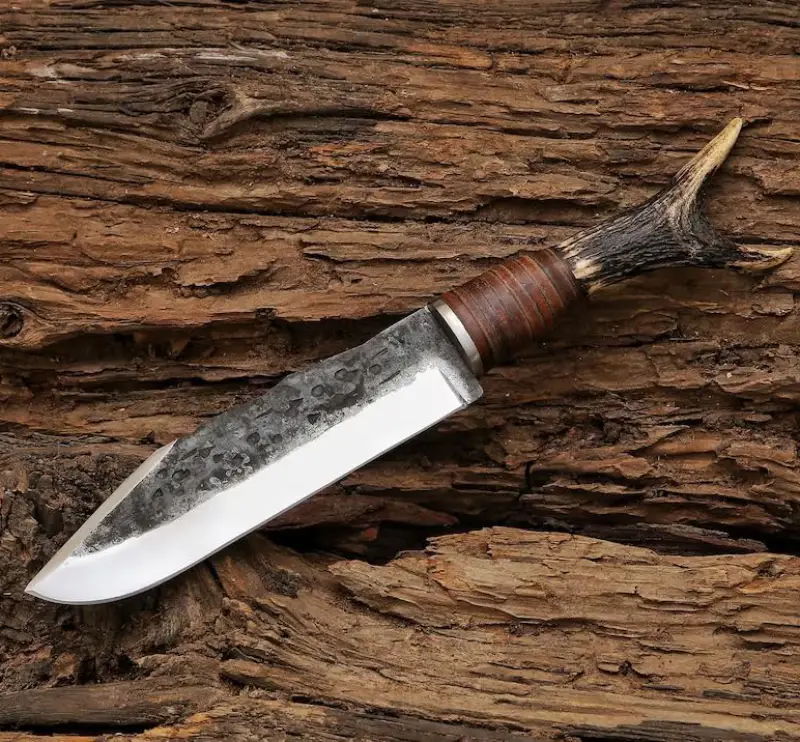
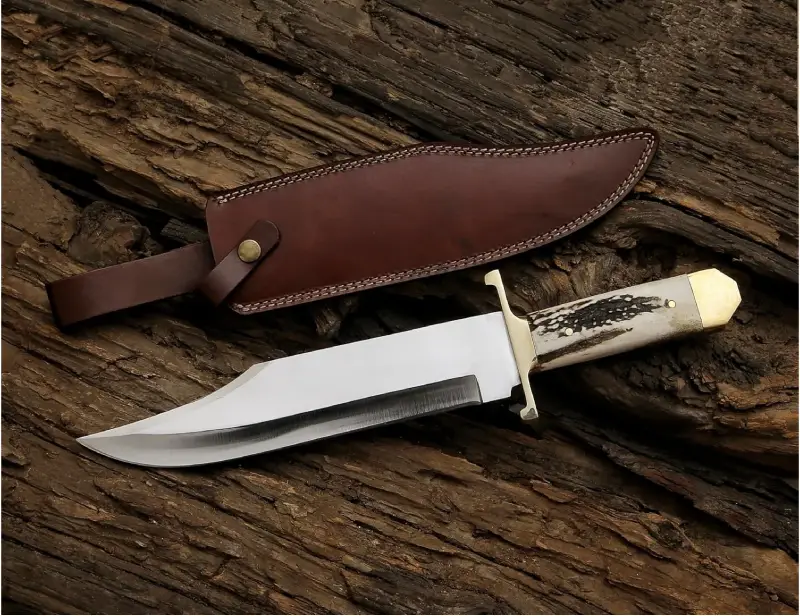
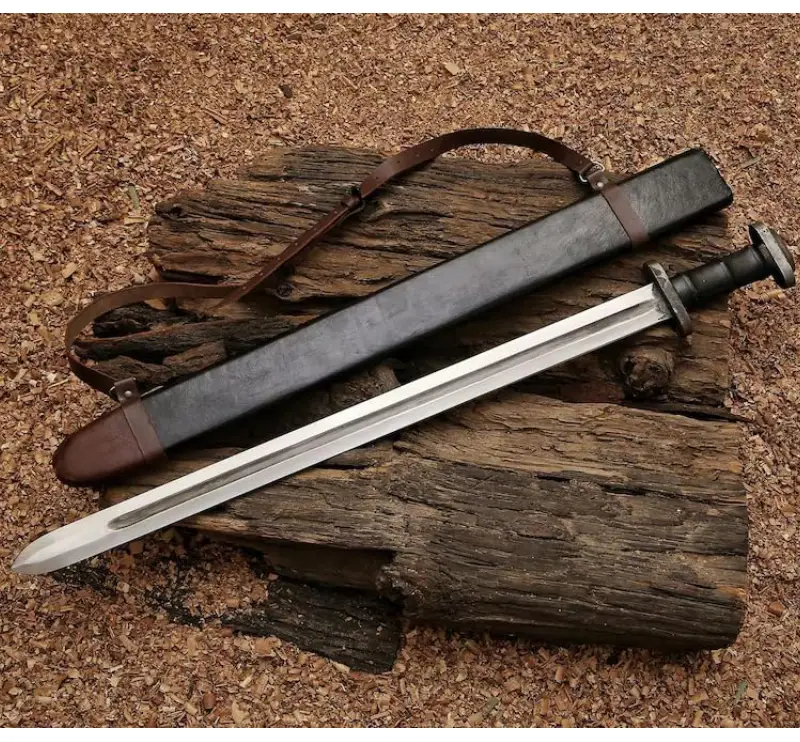
We don’t offer 12C27 as an upgrade option — it’s the steel behind every blade we forge, including our handmade kukri knife. We chose it deliberately, not by default. It gives our knives the hardness to hold a working edge, the toughness to survive real outdoor use, and the corrosion resistance to handle hunting, camping, and everyday tasks without demanding constant maintenance.
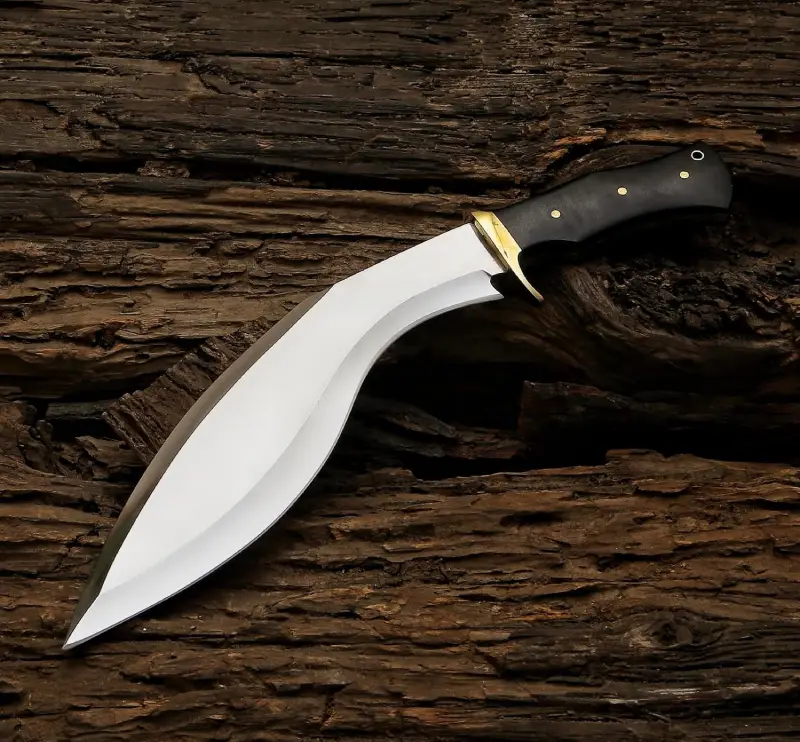
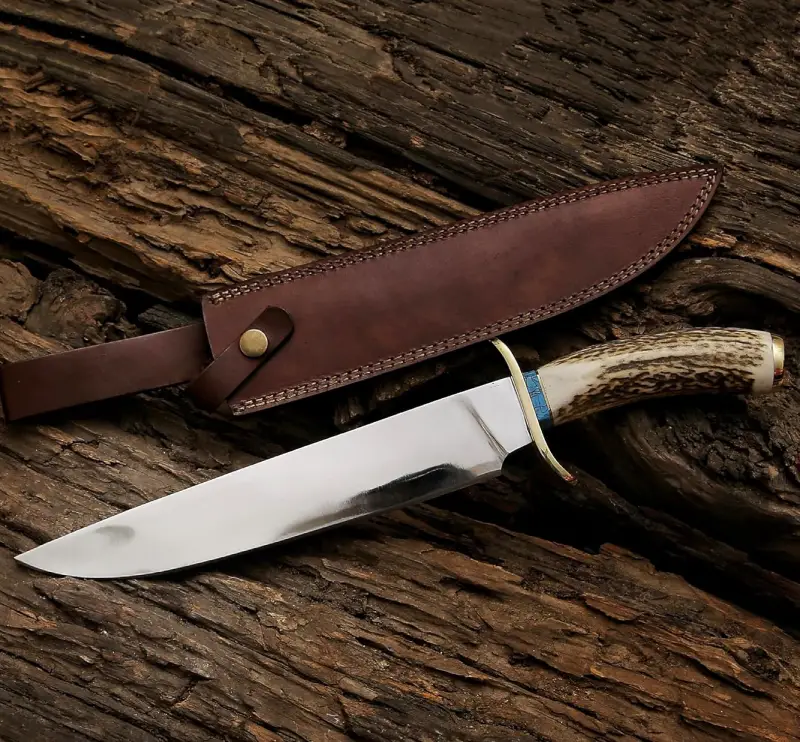
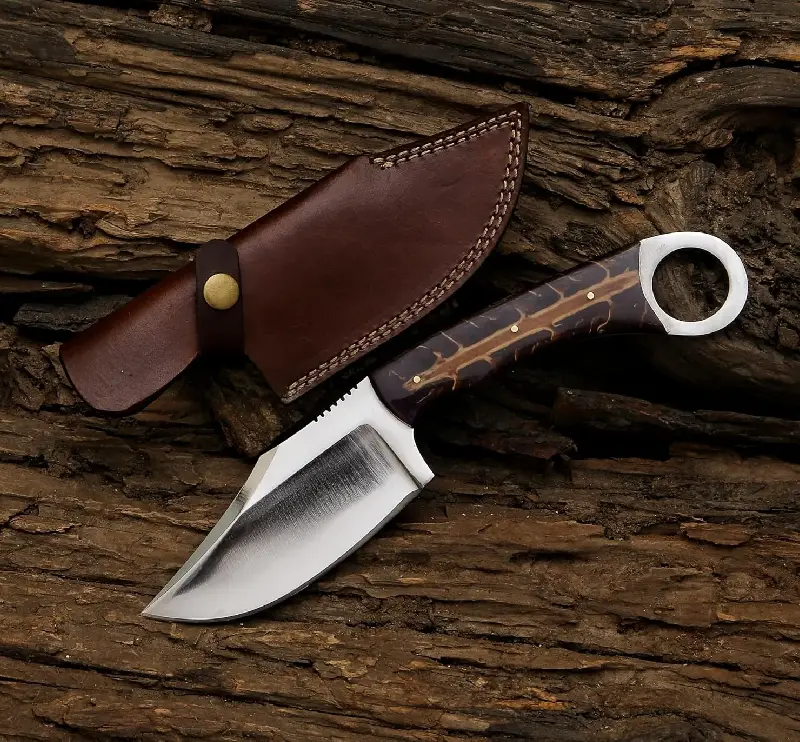
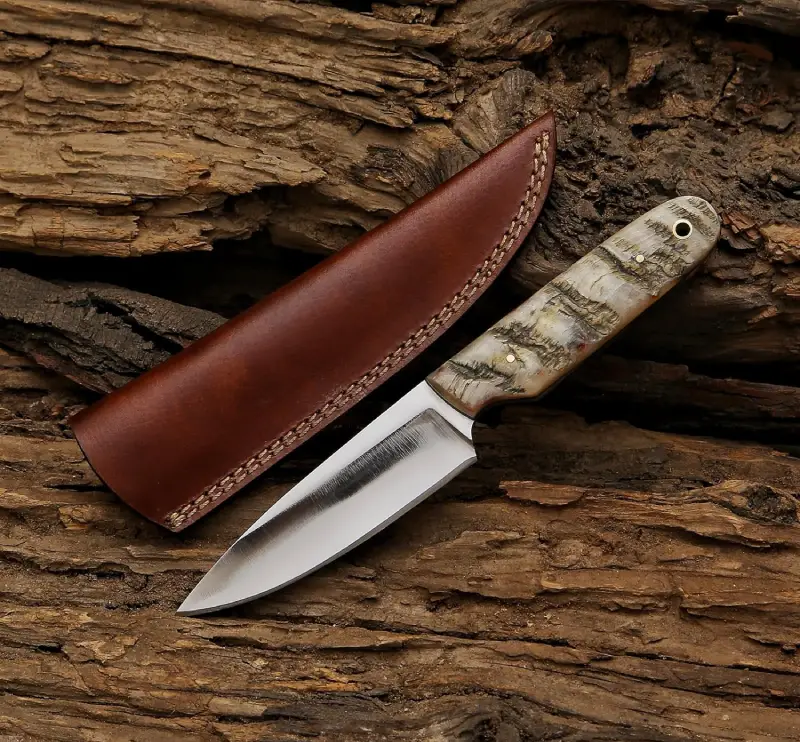
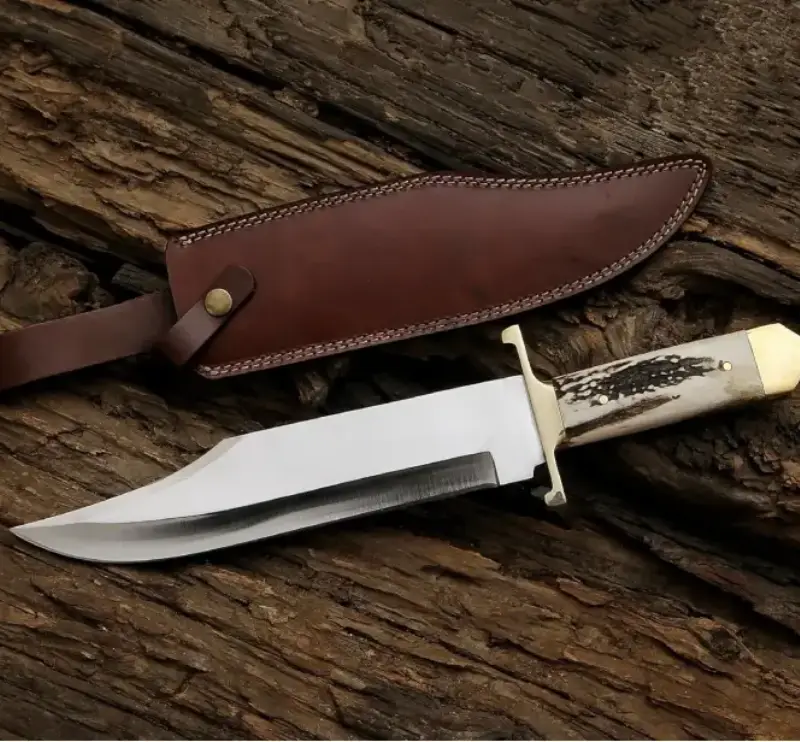
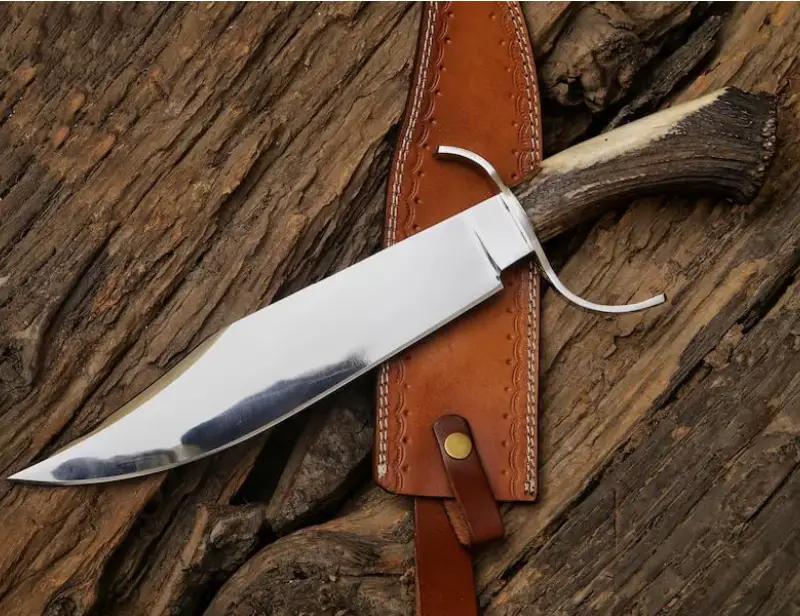
Just as importantly, it stays sharpenable with basic tools, so a Gladius Forging knife doesn’t need to go back to a professional every time it dulls.Combined with our full-tang construction and hand-finished handles, 12C27 is a core part of why our knives are built to be used hard, not displayed on a shelf.
Frequently Asked Questions
What is 12C27 steel used for?
12C27 is commonly used in hunting knives, camping and bushcraft knives, fixed-blade EDC knives, kitchen knives, and fishing knives — essentially any blade where a balance of edge retention, toughness, and easy maintenance matters more than maximum wear resistance.
Is 12C27 steel good for knives?
Yes. It offers a dependable combination of hardness, toughness, corrosion resistance, and ease of sharpening, which is why manufacturers have continued using it for more than 40 years despite the arrival of newer steel formulations.
How does 12C27 compare to 14C28N?
14C28N is a later Sandvik steel built on 12C27’s foundation, with higher chromium and nitrogen content for slightly better edge retention and hardness. 12C27 remains easier to sharpen and slightly more forgiving, which is why many makers still choose it for working blades rather than collector pieces.
Does 12C27 steel rust?
12C27 has strong corrosion resistance thanks to its 13.5% chromium content, but no stainless steel is fully rust-proof. Rinsing and drying the blade after use, and applying oil before extended storage, keeps it rust-free long-term.
What hardness is 12C27 steel?
Most production knives made from 12C27 are heat-treated to 56-59 HRC, with the steel capable of reaching the low 60s HRC under optimal heat treatment conditions.