Enjoy free worldwide shipping on all our handcrafted blades!
What Is an EDC Knife? Meaning, Uses & What to Look For

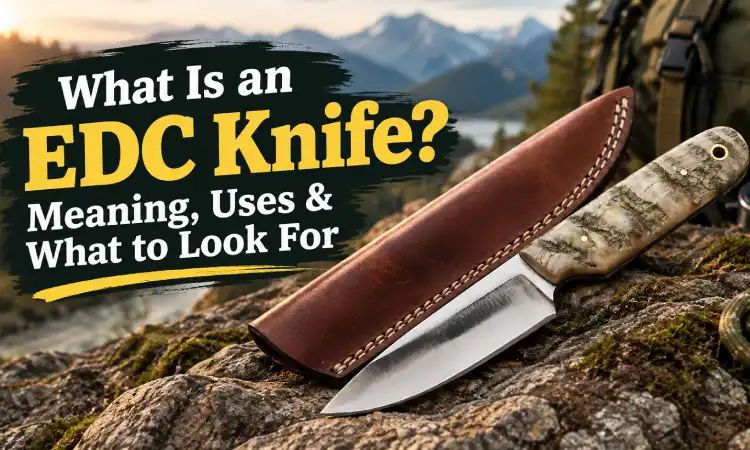
An EDC knife is a compact, dependable knife you carry with you every day for routine cutting tasks — opening packages, cutting cordage, prepping food, or handling whatever small job comes up before you’d ever reach for a toolbox. “EDC” stands for Everyday Carry, and an EDC knife is simply the knife built to earn a permanent spot in that daily lineup, alongside your wallet, keys, and phone.
In this guide we will discover what is an edc knife exactly is.
What Does EDC Knife Mean?
EDC knife meaning starts with the term itself: Everyday Carry. It’s a phrase that originated in preparedness and outdoor communities to describe the small set of tools people keep on them at all times, not for a specific trip or task, but as a standing habit. A knife earns the “EDC” label when it’s built around that habit — compact enough to carry without a second thought, and reliable enough to actually use when something comes up.
That’s different from a hunting knife, a kitchen knife, or a survival knife, each of which is built around one specific job. An EDC knife is built around consistency: it needs to handle a wide range of small tasks reasonably well, day after day, rather than excel at one narrow use case.
What Is an EDC Knife Used For?
The honest answer is: almost anything small. In practice, most EDC knife use falls into a handful of recurring categories.
- Opening boxes, mail, and packaging
- Cutting rope, zip ties, tape, and cordage
- Food prep while camping, hiking, or at home
- Whittling, light woodworking, and small repair tasks
- Field-dressing small game or processing catch on a hunting or fishing trip
- General outdoor utility — cutting kindling, trimming branches, or clearing debris
None of these tasks demand a large blade. That’s part of the point: an EDC knife is deliberately sized down so it disappears into your pocket, bag, or belt until the moment you actually need it.
Key Features That Define an EDC Knife
Not every small knife qualifies as a true EDC knife. A few features consistently separate a genuine everyday carry blade from one that just happens to be compact.
Compact, Manageable Size
Most EDC blades run in a size range that’s easy to carry without adding noticeable bulk or weight — small enough to forget you’re carrying it until you need it.
Durable, Purpose-Built Steel
Because an EDC knife gets used constantly, blade steel matters more here than almost anywhere else. It needs to hold an edge through repeated use, resist corrosion from pocket lint and moisture, and stay easy enough to sharpen that maintenance never becomes a chore.
Comfortable, Secure Handle
An EDC knife is often used one-handed and in awkward positions — mid-task, standing up, without a table to brace against. A handle that stays secure in the hand matters as much as the blade itself.
Reliable, Simple Construction
Whether it’s a folding knife with a locking mechanism or a small fixed-blade knife carried in a sheath, an EDC knife needs to work the same way every single time. Complexity is the enemy of a tool you’re relying on daily.
Folding EDC Knife vs. Fixed-Blade EDC Knife
Most of what people picture when they hear “EDC knife” is a folding pocket knife with a clip. That’s a fair default, but it’s not the only form factor. A compact fixed-blade knife, carried in a sheath on a belt or in a bag, makes an equally capable — and in some ways more durable — everyday carry tool. Without a folding mechanism or lock to maintain, a fixed-blade EDC knife has one less point of failure, which is exactly why many outdoorsmen and tradespeople carry one instead.
The Origins of EDC Culture
The term “Everyday Carry” grew out of online preparedness and outdoor forums in the early 2000s, where members compared the small kits of gear they kept on them at all times — wallet, keys, flashlight, and knife. What started as a niche hobby of posting “EDC pocket dump” photos has since grown into a mainstream category on its own, with entire product lines built specifically around the idea of a compact, reliable daily kit. The knife has remained the centerpiece of that kit throughout, since it’s one of the few tools that’s genuinely useful across dozens of unrelated daily situations.
Common EDC Knife Blade Shapes
Blade shape affects what a knife is actually good at, and EDC knives are made in a handful of recurring profiles.
- Drop point: A strong, versatile all-purpose shape with a lowered spine and controlled tip, good for general cutting and light detail work.
- Clip point: A concave spine near the tip that creates a sharper, more piercing point, useful for detail cutting
- Wharncliffe: A straight edge with a spine that curves down to meet it, giving excellent control for precise, controlled cuts
- Sheepsfoot: A flat edge with a rounded, blunt tip, designed to minimize accidental puncture risk while still cutting effectively
Most general-purpose EDC knives, including compact fixed-blade designs, use a drop point or a close variation of it, since it balances strength, control, and everyday cutting performance without specializing too narrowly.
How to Choose the Right EDC Knife
A few practical factors separate a knife that earns a permanent spot in your pocket from one that ends up in a drawer.
- Blade length: shorter blades carry easier and often fall under local legal limits, while still handling the vast majority of daily tasks
- Steel type: look for a steel that holds an edge, resists corrosion, and can be resharpened without specialized tools
- Handle material and grip: the handle should stay secure in the hand even when wet or gripped at an awkward angle
- Carry method: a pocket clip, sheath, or lanyard loop should match how and where you actually plan to carry it
- Build quality: a full-tang fixed blade or a well-made lock on a folder both reduce the chance of failure under load
Local laws are also worth checking before buying. Blade length limits and carry restrictions vary by city and state, and a knife that’s perfectly legal to own may still have restrictions on how it can be carried in public.
EDC Knife Maintenance
An EDC knife earns its keep through consistency, and a small amount of regular care keeps it performing the way it did on day one.
- Wipe the blade dry after use, especially after cutting food or exposure to moisture
- Apply a light coat of oil to the blade periodically to guard against corrosion
- Touch up the edge on a whetstone before it goes fully dull, rather than waiting until cutting becomes difficult
- Check pivots, locks, or sheath fit periodically to make sure carry stays secure
EDC Knife vs. Multitool
A multitool bundles a knife blade alongside pliers, screwdrivers, and other implements, trading a dedicated cutting edge for broader utility. An EDC knife takes the opposite approach: one job, done well. For pure cutting performance — sharper edge geometry, better steel, and a grip built specifically for cutting tasks — a dedicated EDC knife consistently outperforms the knife blade folded into a multitool. Many people carry both, using the multitool for occasional mechanical tasks and the knife for the cutting work that comes up daily.
Why Choose Gladius Forging’s EDC Knives
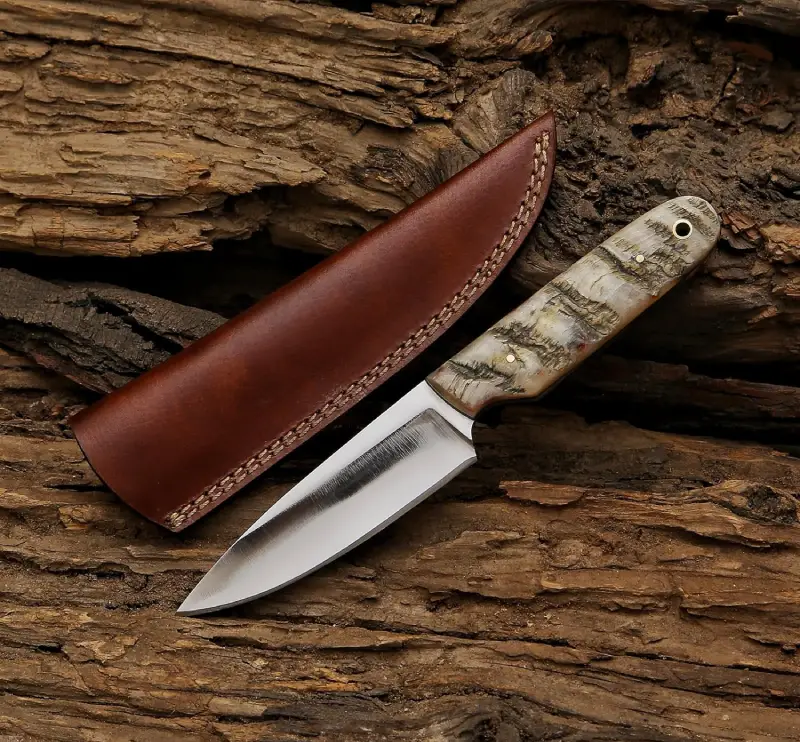
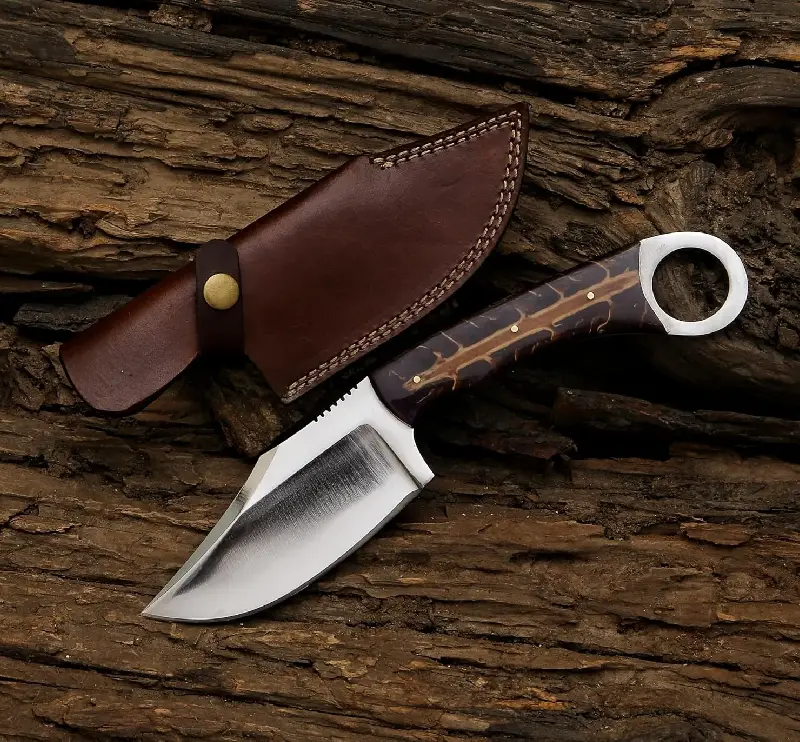
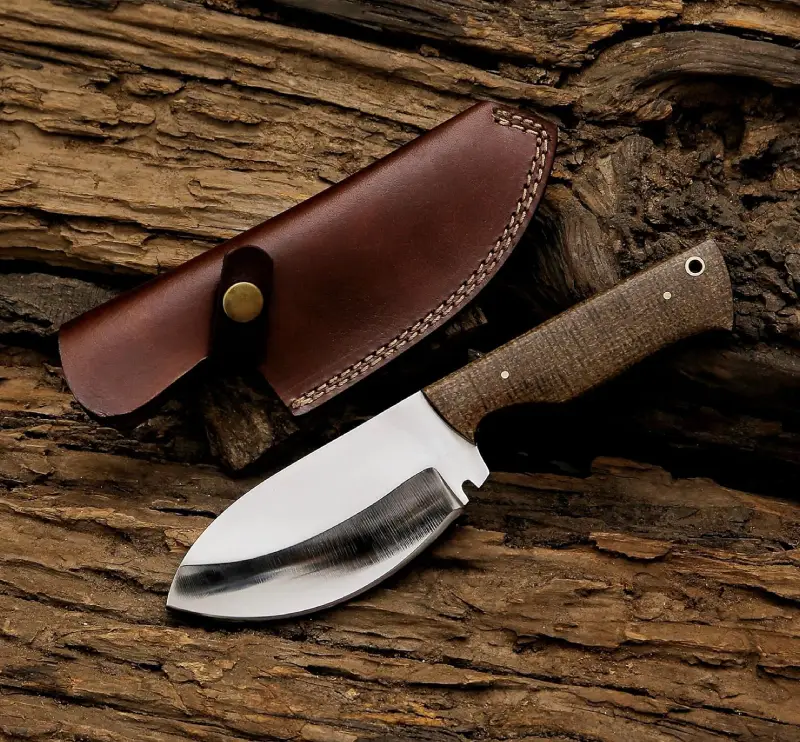
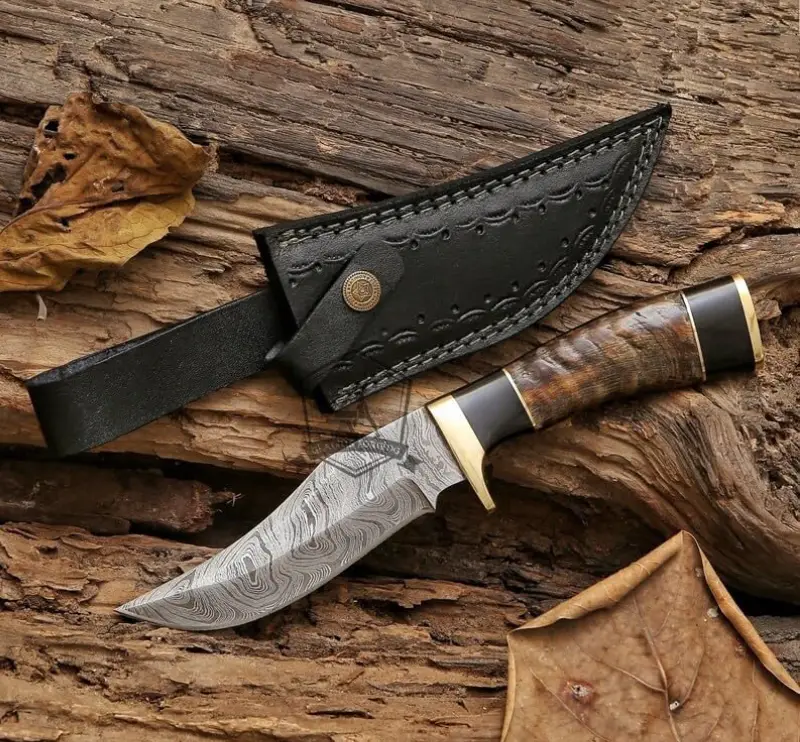
Our handmade EDC knives take the fixed-blade approach: compact, full-tang blades forged by hand and built to be carried and used daily, not just displayed. Every knife in the collection is finished with a comfortable, secure handle and a sheath, so it’s ready to carry the moment it arrives.
- Compact everyday carry design
- Handmade, full-tang construction
- Premium steel blades built to hold an edge
- Comfortable, ergonomic handles
- Durable finish that holds up to daily use
- Reliable, no-fuss fixed-blade design
Frequently Asked Questions
What does EDC knife mean?
EDC stands for Everyday Carry, so an EDC knife is a knife specifically built and sized to be carried and used daily, rather than for a single specialized task.
What is an EDC knife used for?
EDC knives handle small daily tasks like opening packages, cutting cordage, food prep, and light outdoor utility work — essentially any routine cutting job that comes up during a normal day.
Is a fixed-blade knife a good EDC knife?
Yes. A compact fixed-blade knife carried in a sheath makes a reliable EDC option, often with fewer moving parts and less maintenance than a folding knife with a locking mechanism.
What size should an EDC knife be?
Most EDC knives are compact by design, small enough to carry comfortably in a pocket, on a belt, or in a bag without adding noticeable bulk.
What steel is best for an EDC knife?
A steel that balances edge retention, corrosion resistance, and ease of sharpening works best for daily use, since an EDC knife needs to stay sharp and rust-free without demanding constant upkeep.